How Often Should You Clean Your Roof in Sydney?
Roof cleaning frequency depends on material, shade, trees, drainage, exposure and the amount of growth. Learn how to judge when a Sydney roof needs attention.
Key Takeaways
- There is no fixed cleaning interval that suits every Sydney roof
- Shade, trees and slow drainage can make growth return sooner
- The cleaning method needs to suit the roof material and coating
- Inspect the roof safely from the ground and avoid DIY roof access
There is no fixed cleaning interval that suits every Sydney roof. Material, shade, nearby trees, drainage, exposure and the amount of growth all matter more than the date of the last clean.
This guide explains what to look for from the ground, why some roofs collect growth sooner and how to choose a cleaning method without damaging the surface.
How Often Should You Assess Your Roof for Cleaning?
Use condition as the guide:
| Situation | What to watch |
|---|---|
| Open roof with little shade | Surface dirt and drainage after severe weather |
| Roof below trees | Leaves, seeds, sap and growth around valleys or gutters |
| Shaded sections | Moss, lichen or algae returning sooner than sunny areas |
| Colorbond or other metal | Dirt, salt residue, coating damage and blocked drainage |
| Tile roof | Growth around laps, cracked tiles and deteriorated surface coatings |
| Visible buildup | Arrange an assessment of condition and cleaning method |
If buildup is hiding the surface or collecting around drainage paths, arrange an assessment rather than relying on a calendar.
Why Roof Cleaning Can Matter
Roof cleaning can improve appearance, but it also makes the surface and drainage paths easier to inspect. The effect of growth varies with the roof material and condition.
Moss around tiles
Moss can collect around tile laps and hold moisture against the surface. Heavy growth may also hide displaced or cracked tiles that need separate repair.
Lichen on coated or porous surfaces
Lichen can bond strongly to coated and porous surfaces. Removing it needs a method that considers the existing coating and the risk of marking or damaging the tile.
Dark algae staining
Dark staining is more common on damp and shaded sections. It may be mainly cosmetic, but its presence is a useful prompt to check the surface and nearby drainage.
Debris in gutters and valleys
Leaves and loosened growth can collect in gutters and valleys. This can restrict drainage and make overflow more likely during heavy rain.
What Makes Growth Return Sooner?
Shade and trees
Trees can drop leaves, seeds and sap while also keeping sections shaded for longer after rain. The combination can create areas where growth returns sooner than on the rest of the roof.
Roof orientation and ventilation
Sections that receive less sun or dry slowly may stay damp longer. Roof shape and nearby buildings can also create sheltered areas.
Coastal exposure
Salt residue can collect on metal and coated surfaces. Cleaning decisions should consider the manufacturer guidance and current condition rather than using aggressive pressure by default.
Roof material and coating
Concrete tile, terracotta, Colorbond, other metal, slate and flat roofs all need different preparation and cleaning decisions. Age and coating condition matter as much as material type.
Pressure Cleaning or Soft Washing?
| Method | May suit | Important check |
|---|---|---|
| Controlled pressure cleaning | Some sound concrete tile surfaces | Pressure, angle, tile condition and water direction |
| Soft washing | Some fragile, aged or coated surfaces | Product compatibility, runoff and dwell time |
| Targeted treatment | Moss, lichen or algae after assessment | Product instructions and property environment |
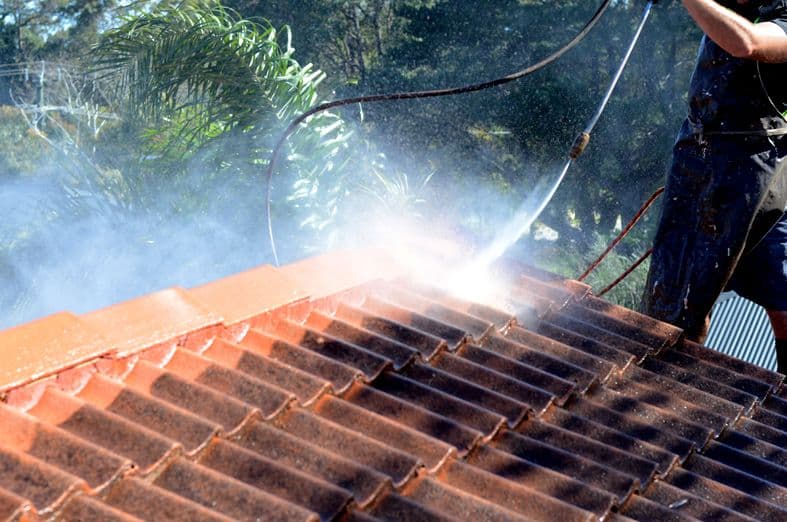
I Care Roofing assesses the roof before recommending a method. Using excessive pressure or directing water under laps can crack surfaces, strip coatings or force water into the roof.
Treatment after cleaning
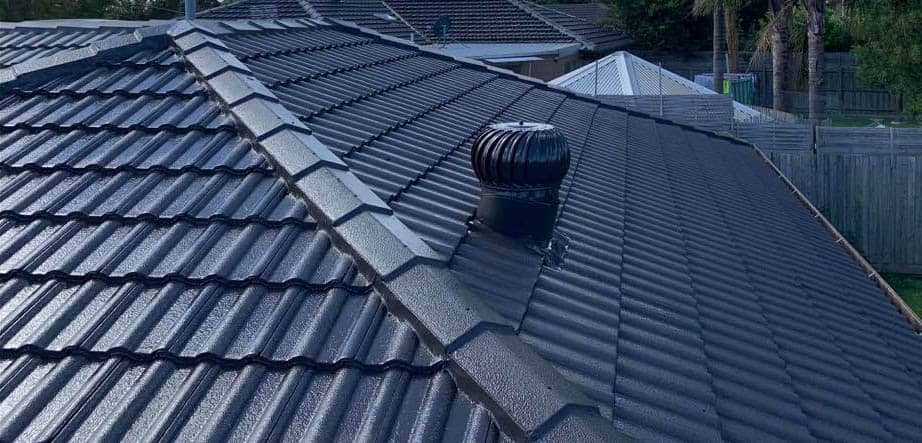
An anti-fungal treatment may be suitable after cleaning. The quoted product and terms should explain where it will be applied and how shade, trees and moisture can affect regrowth.
Can You Clean the Roof Yourself?
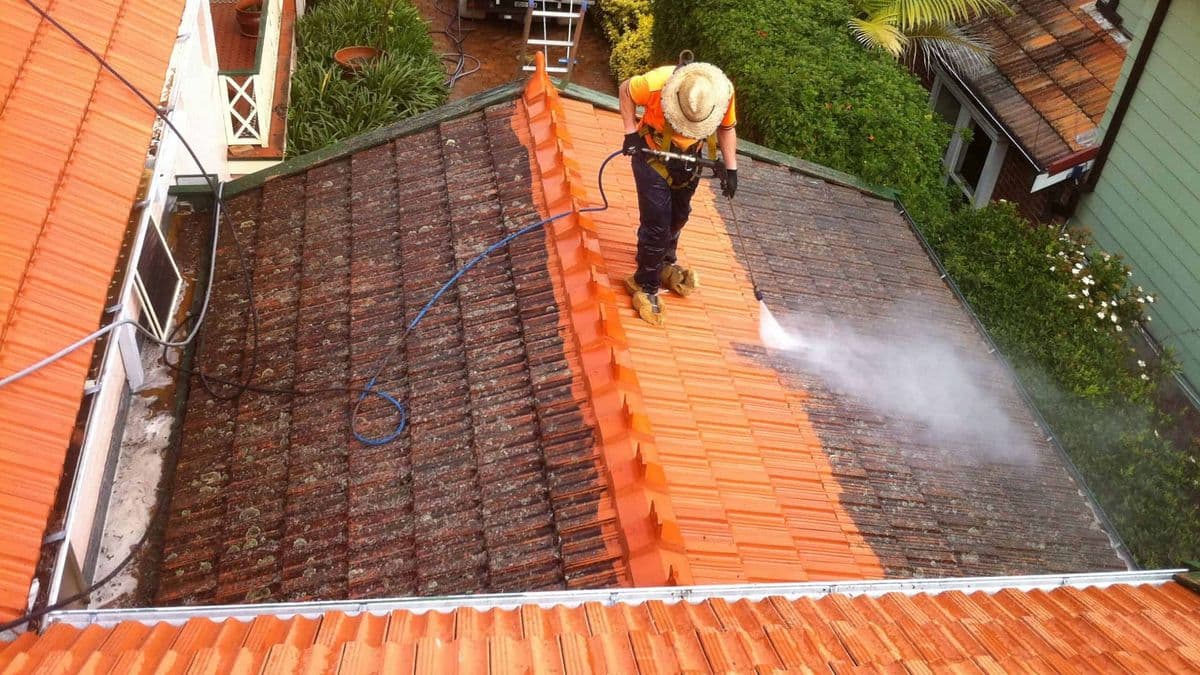
Roof cleaning combines work at height with water, slippery growth and pressurised equipment. The main risks are falling, breaking tiles, damaging coatings and forcing water beneath the roofing material.
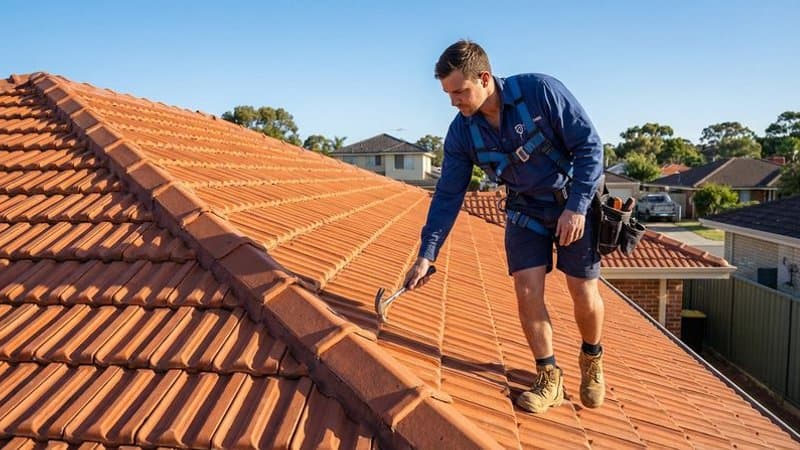
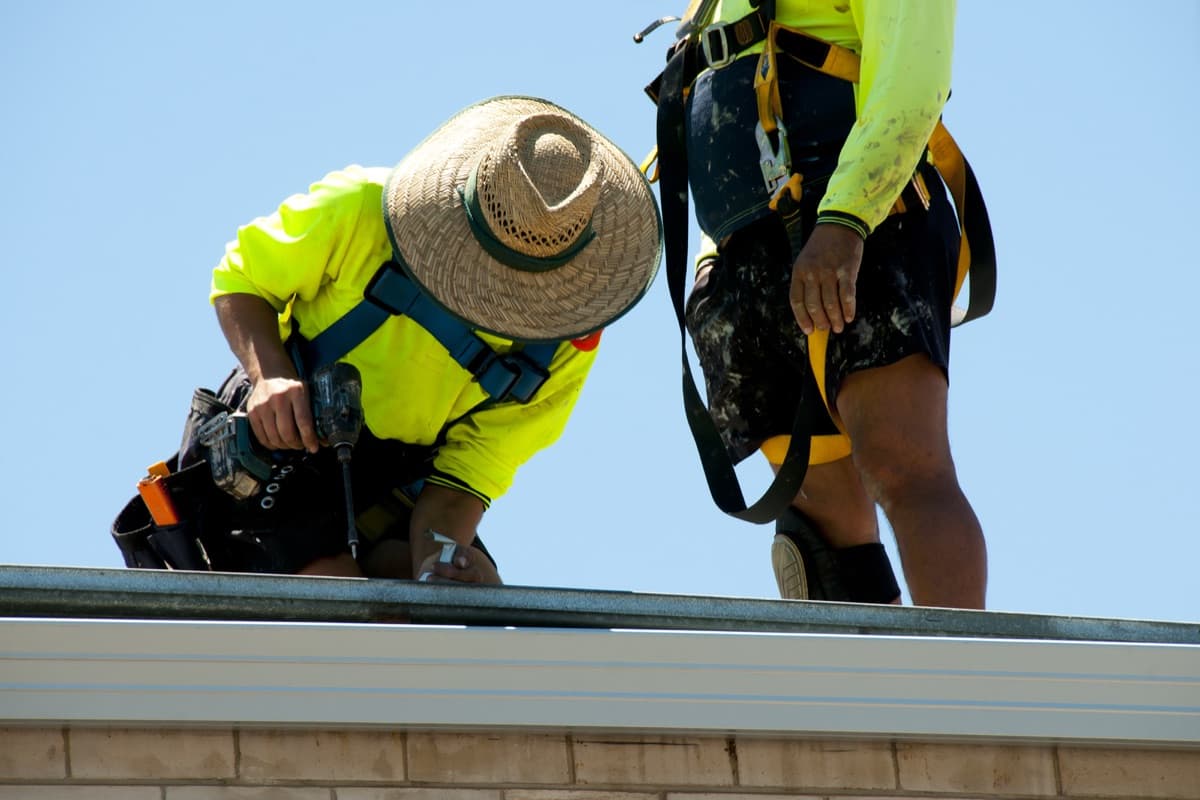
Keep homeowner checks at ground level. Use a fully licensed and insured roofing contractor when the work requires roof access, surface assessment and specialist cleaning equipment.
Signs It Is Time to Arrange an Assessment
- Green, dark or pale growth visible from the ground
- Moss collecting around tile laps or ridge capping
- Debris building up in valleys or gutters
- Water overflowing during rain
- Growth hiding the roof surface or coating condition
- A clean is needed before quoted restoration or coating work
Cleaning as Part of Roof Care
Visible cracked tiles, deteriorating pointing or corrosion found during cleaning should be shown and quoted separately. A paid roof inspection is available when you need broader documented findings.
Read our roof cleaning cost guide for current starting points, the main cost factors and why a free quote is needed for an accurate figure.
Request a Roof Cleaning Quote
I Care Roofing provides roof cleaning across the established Sydney service area. We assess the material, surface and access, then provide a free roofing quote for the agreed cleaning and treatment scope.
Call 0451 456 101 or request a free roofing quote.

I Care Roofing
I Care Roofing Team
Our team has 20+ years of hands-on roofing experience across Sydney.
Contact Us