Roof Maintenance Tips for Sydney Homeowners
Practical Sydney roof maintenance: safe ground-level checks, gutter and drainage care, weather-related warning signs and when to arrange an inspection.

Key Takeaways
- Check visible roof and drainage changes after severe weather
- Gutter cleaning frequency depends on nearby trees and how quickly debris builds up
- Address limited defects before water reaches more of the roof or building
- Inspection timing should reflect the roof age, material, condition and exposure
Roof maintenance is easier to plan when it follows the material, condition and exposure of the actual roof. Safe ground-level checks, clear drainage and prompt attention to visible defects can help you decide when a roofer needs to inspect more closely.
This guide covers useful checks, work that should stay at ground level and signs that justify a paid inspection or free roofing quote.
Before Sydney's Stormier Months
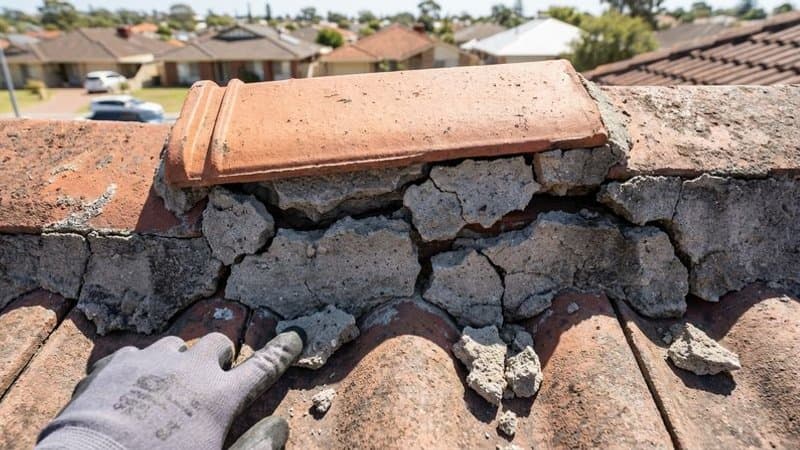
- Look at ridge capping from the ground. Note obvious gaps, loose sections or crumbling material.
- Check gutters and downpipes. Look for visible buildup, overflow marks or sections pulling away.
- Arrange safe tree work. Use an arborist for branches that overhang or could fall onto the roof.
- Check visible flashing. Look for lifted edges, gaps or corrosion around walls, vents and chimneys.
- Look along valleys. Debris, rust or displaced tiles around a valley justify closer assessment.
After Severe Weather
- Walk around the property and compare the roof with how it looked before the event.
- Check ceilings and walls for new stains or damp patches.
- Photograph visible damage from the ground before temporary work changes it.
- Check whether gutters are overflowing or drainage paths contain new debris.
- Contact the insurer if the event may be covered and ask what evidence or approval is required.
Useful Checks Through the Year
- Ground-level visual check. Look for changes rather than trying to diagnose the roof from a distance.
- Drainage check. Gutter-cleaning frequency depends on nearby trees and how quickly debris returns.
- Safe roof-space check. If access is safe, record staining, daylight, moisture or pest activity without touching electrical or damaged components.
- Keep work records. Save quotes, invoices, photographs, inspection reports and product information.
Ground-Level Tasks and Roof-Access Tasks
| Task | Homeowner approach |
|---|---|
| Visual roof check | Stay on the ground and use zoom or binoculars if helpful |
| Photographing storm damage | Photograph from a safe ground-level position |
| Small branch trimming | Only from the ground; use an arborist for larger or overhead work |
| Gutter cleaning | Use a suitable service when safe access cannot be maintained |
| Valley clearing | Requires roof access and should be planned by a suitable contractor |
| Tile, pointing or flashing repair | Roofing work requiring the right access, materials and method |
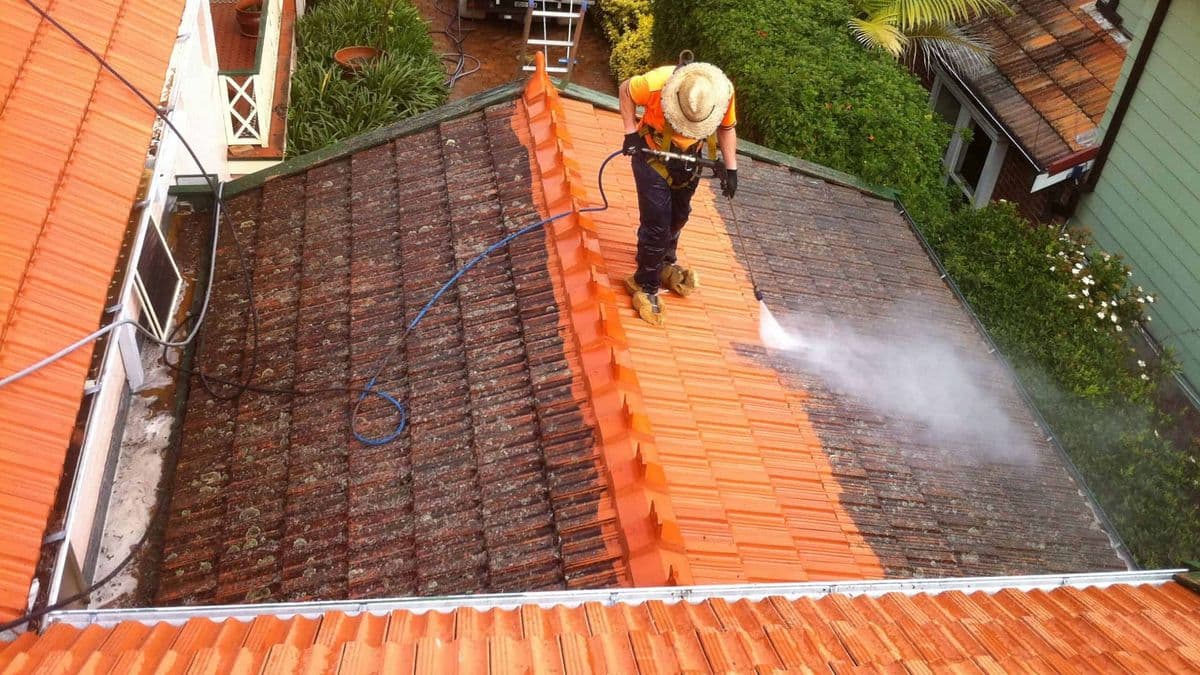
| Roof cleaning | Roofing work involving water, slippery surfaces and specialist equipment |
Keep roof checks at ground level
Roof and ladder access can cause serious injury. Do not walk on the roof without the training, equipment and access plan required for that property.
Four Maintenance Priorities
1. Keep drainage working
Blocked gutters can overflow onto fascia, walls and areas below. Check drainage after severe weather and whenever overflow becomes visible.
2. Act on limited defects
A cracked tile, local flashing issue or loose ridge section may be a defined repair when addressed early. If water reaches other roof or building components, the scope becomes harder to predict. Read our roof repair cost guide for current starting points and why the actual repair needs a free quote.
3. Inspect according to condition
A paid roof inspection can examine accessible areas that are not visible from the ground. Roof material, age, known defects, exposure, previous work and recent storms are better timing guides than a fixed interval.
4. Clean when condition warrants it
Moss, lichen, algae and debris can hide the surface and collect around drainage paths. Arrange roof cleaning using a method chosen for the roof material and coating. See how often to clean a roof for the factors to watch.
What Roof Maintenance Protects
Maintenance does not create a fixed extra lifespan, but it can help keep drainage working and identify limited defects before they affect more of the roof.
| Component | Useful maintenance focus |
|---|---|
| Tile or metal surface | Check coatings, corrosion, cracks and displaced materials |
| Ridge capping | Look for loose caps, failed bedding and deteriorated pointing |
| Valleys and gutters | Keep drainage paths clear and check for corrosion or overflow |
| Flashing | Inspect joins around walls, vents, chimneys and skylights |
| Sarking and roof space | Record staining, tears and accessible moisture signs |
| Timber framing | Investigate visible sagging, staining, decay or movement promptly |
Warning Signs Between Inspections
Arrange advice when you notice:
- Ceiling stains or damp patches after rain
- A musty smell below the roof
- Cracked or displaced tiles visible from the ground
- Mortar, metal or tile fragments in gutters
- A sagging or visibly uneven roof line
- Persistent overflow or blocked drainage
Read the full guide to signs a roof needs repair for more detail.
Maintenance and Insurance
Insurance policies commonly distinguish sudden insured events from maintenance, wear and deterioration. Read the policy and ask the insurer how maintenance history affects the specific claim.
Keeping reports, cleaning records, invoices and dated photographs can help document the roof condition and previous work. Our roof insurance claim guide explains the basic process.
Book a Roof Inspection
I Care Roofing provides paid roof inspections and roof reports across the established Sydney service area, with findings and priorities matched to the agreed scope.
Call 0451 456 101 or request an inspection consultation.

I Care Roofing
I Care Roofing Team
Our team has 20+ years of hands-on roofing experience across Sydney.
Contact Us