Sydney Roof Insurance Claim Process
A general Sydney roof-claim guide covering safe documentation, insurer instructions, reports, quotes, approvals and permanent repairs.
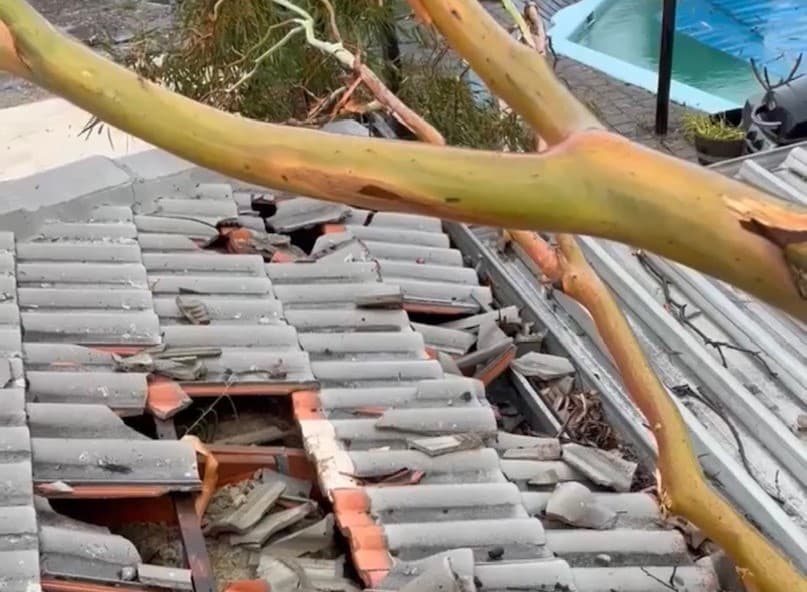
Key Takeaways
- Document damage immediately with photos before any repairs
- Ask the insurer what temporary work and evidence they require
- A photographic roof report can document visible damage and proposed repairs
- Confirm approval requirements before permanent work changes the damaged area
A roof insurance claim is controlled by the policy and the insurer's instructions. The most useful first steps are staying safe, recording visible damage, reporting the event and asking what temporary work, reports and approvals are required.
This guide is general information, not insurance or legal advice. Check the product disclosure statement and speak with the insurer about the actual claim.
Step-by-Step Roof Claim Process
Step 1: Record visible damage safely
From the ground or another safe position:
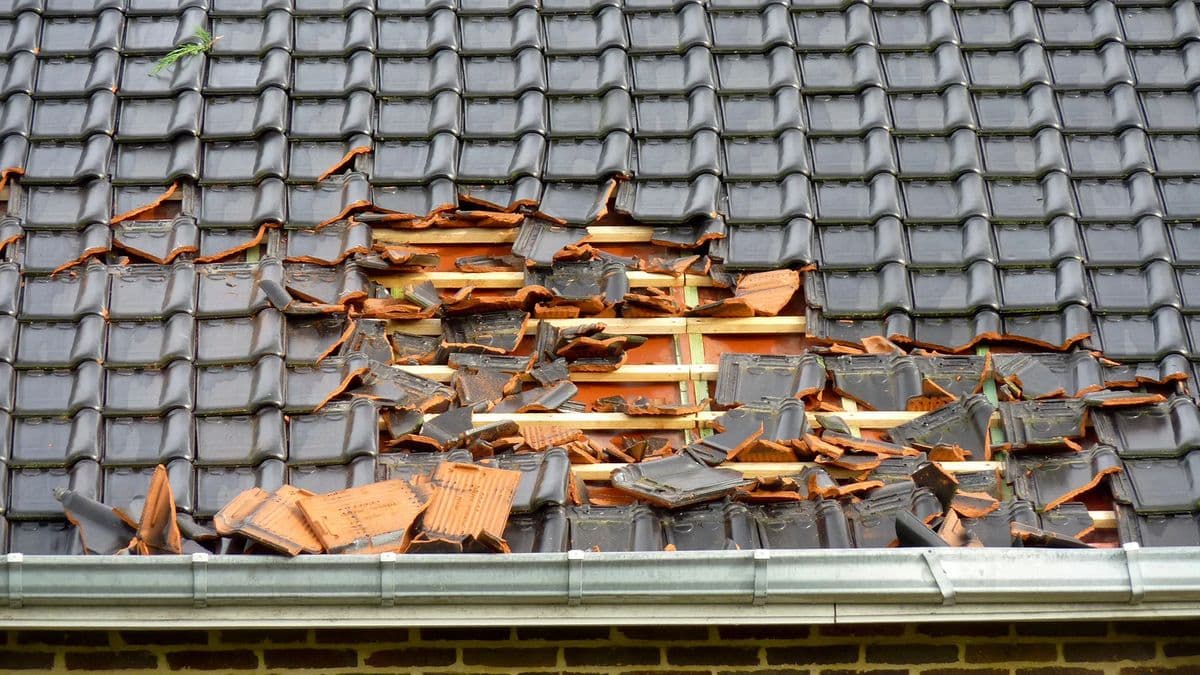
- Photograph and video visible roof, gutter and internal damage
- Record water entry, ceiling stains and affected belongings
- Note the event date, time and weather conditions
- Keep photographs taken before temporary work where safe to do so
Do not climb onto a wet or damaged roof.
Step 2: Prevent avoidable further damage
Move belongings away from water and isolate unsafe areas. Contact emergency services or the relevant utility where there is immediate danger.
Ask the insurer whether it will arrange make-safe work or authorise your own contractor. Do not attempt roof tarping or branch removal without the equipment and access plan required for the site.
Confirm repair authority
Ask the insurer what temporary and permanent work can proceed, what evidence must be kept and how invoices will be handled. Policy requirements differ.
Step 3: Notify the insurer
Have the policy number and event details ready. Ask for:
- The claim reference
- The applicable excess
- Make-safe instructions
- Required photographs, reports and quotes
- Whether the insurer will appoint an assessor or repairer
- Any approval needed before permanent repairs
Step 4: Arrange the required roof inspection or report
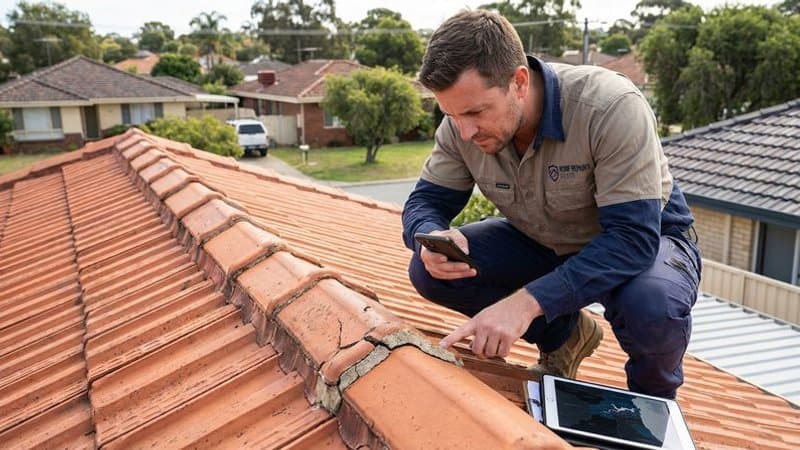
Some claims need a paid roof inspection or roof report. The document can record:
- Accessible visible damage
- Photographs and locations
- Likely causes within the inspection scope
- Maintenance or pre-existing issues observed
- Repair priorities and access limitations
I Care Roofing prepares reports accepted by insurers. Standard reports are normally delivered within 24–48 hours, with priority turnaround available by arrangement.
Step 5: Obtain an itemised repair quote
A roofing quote may identify:
- The damaged area and proposed repair
- Labour and materials
- Access and safety requirements
- Temporary work already completed
- Cleanup and waste handling
- Written warranty and leak guarantee terms
Roofing work is quoted free. The inspection or report that supports an insurance matter is a paid service.
Step 6: Submit the requested documents
Provide only what the insurer requests, which may include:
- Initial photographs and event details
- The roof report
- The itemised repair quote
- Temporary-work invoices
- Maintenance and previous-work records
Keep copies of all emails, claim references, reports and approvals.
Step 7: Insurer assessment
The insurer may decide from the documents, arrange its own assessor, request more information or ask for another quote. Avoid changing the damaged area beyond authorised make-safe work until you understand what evidence still needs to be inspected.
Step 8: Repair authority and completion
Once the scope is authorised, confirm whether the insurer will manage repairs, pay a contractor or offer a cash settlement. Compare the authorised scope with the roofing quote and ask questions before work begins.
Coverage and Exclusions
Policies commonly distinguish sudden insured events from maintenance, wear, corrosion, deterioration and pre-existing defects. Storm, hail, impact, internal water damage and cosmetic damage can be treated differently under each policy.
Do not rely on a general online list of what is covered. Read the policy and ask the insurer how the event and existing roof condition will be assessed.
Common Claim Problems
Delayed or incomplete records
Late notice or missing photographs can make it harder to establish the event and visible condition. Report the matter according to the policy and retain dated records.
Permanent work before the evidence is reviewed
Permanent repairs can remove evidence the insurer wanted to inspect. Confirm authority first unless immediate work is required for safety and has been directed appropriately.
Mixing event damage with maintenance
A roof can have both storm damage and pre-existing deterioration. A factual report should identify the observed areas separately rather than assuming the whole roof has one cause.
Accepting a scope you do not understand
Compare the insurer's authorised work with the itemised roofing quote. Ask the insurer or an appropriate adviser about any difference before accepting a settlement or starting work.
How a Roof Report Can Help
A photographic report can provide:
- A dated record of accessible damage
- Locations and descriptions for each finding
- Likely causes within the agreed inspection scope
- Repair priorities and cost guidance
- Clear limitations where an area could not be inspected
It does not decide policy coverage or replace the insurer's assessment, legal advice, engineering or other specialist opinions.
Timing
Claim timing depends on event size, insurer workload, access, assessor availability and the information requested. I Care Roofing normally delivers standard roof reports within 24–48 hours and offers priority reports by arrangement, but the insurer controls the wider claim timeline.
Need Roofing Documentation or Repairs?
I Care Roofing can provide temporary weatherproofing where safe, paid inspections and roof reports, and free quotes for permanent roof repairs.
Call 0451 456 101 or send an insurance roofing enquiry with the claim reference and insurer requirements.
For immediate post-storm steps, read the storm damage guide.

I Care Roofing
I Care Roofing Team
Our team has 20+ years of hands-on roofing experience across Sydney.
Contact Us