Storm Damage Roof Repairs in Sydney
Practical first steps after Sydney storm damage: stay clear of the roof, record visible damage, check insurer instructions and arrange safe roofing help.
Key Takeaways
- Never climb onto a storm-damaged roof. Assess from the ground
- Document all damage with photos before any temporary repairs
- Contact your insurer as soon as possible after the event
- Ask your insurer what evidence and approvals the claim requires
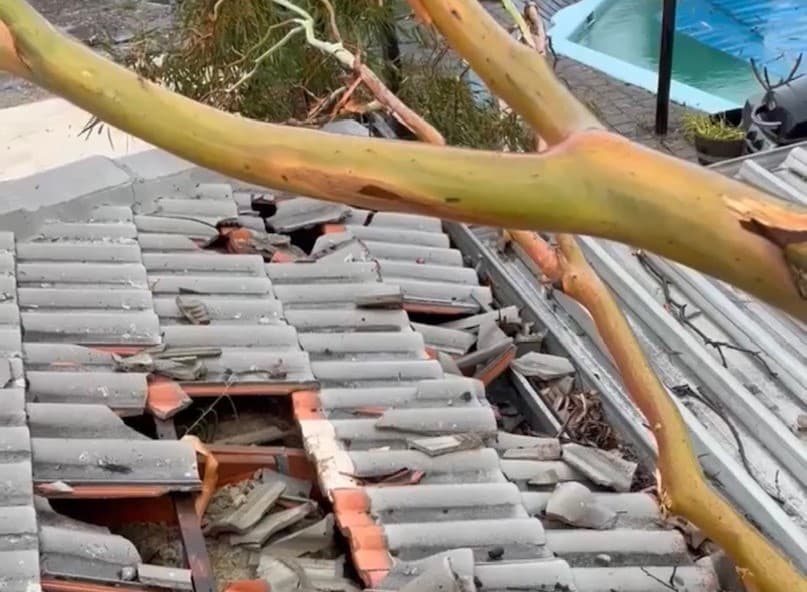
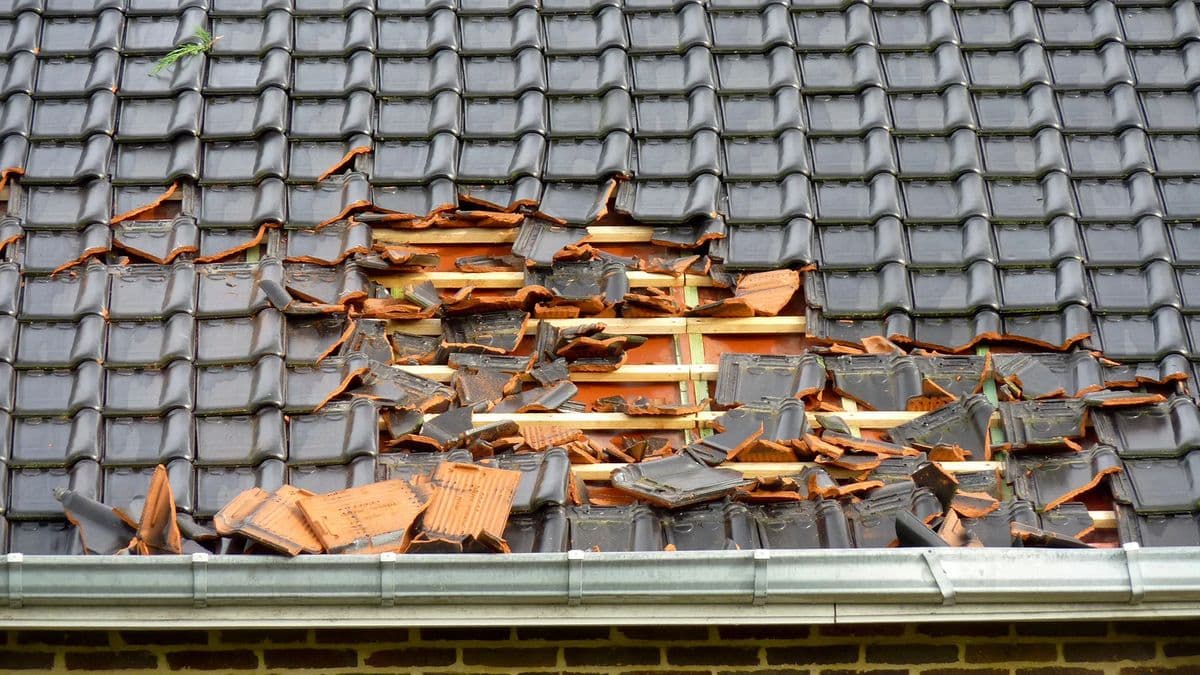
Sydney storms can displace tiles or sheeting, damage flashing and valleys, block drainage and send water into a building. The first priority is safety, followed by documenting what you can see and preventing avoidable further damage.
This guide covers practical first steps, common roof damage and how roofing work may fit into an insurance claim.
What to Do After Storm Damage
1. Keep clear of the roof
Do not climb onto a wet or damaged roof. Check from the ground or a safe internal position, and keep people away from fallen branches, loose materials, sagging ceilings and electrical hazards.
2. Protect people and belongings
If water is entering and it is safe to do so, move belongings away, place containers under drips and isolate the affected area. Contact emergency services or the relevant utility when there is an immediate safety risk.
3. Photograph visible damage
From a safe position, record:
- Displaced tiles or sheeting
- Fallen branches or impact areas
- Water entry, ceiling stains and damaged belongings
- Gutter, downpipe and fascia damage
- The date, time and weather event
Photograph before temporary work changes the visible condition where it is safe to wait.
4. Contact the insurer
Report a potential claim and ask:
- What immediate work is authorised
- Whether an insurer-appointed make-safe service will attend
- What photographs, reports and quotes are required
- Whether permanent repairs need approval first
- How receipts for temporary work should be handled
The policy and insurer instructions control the claim.
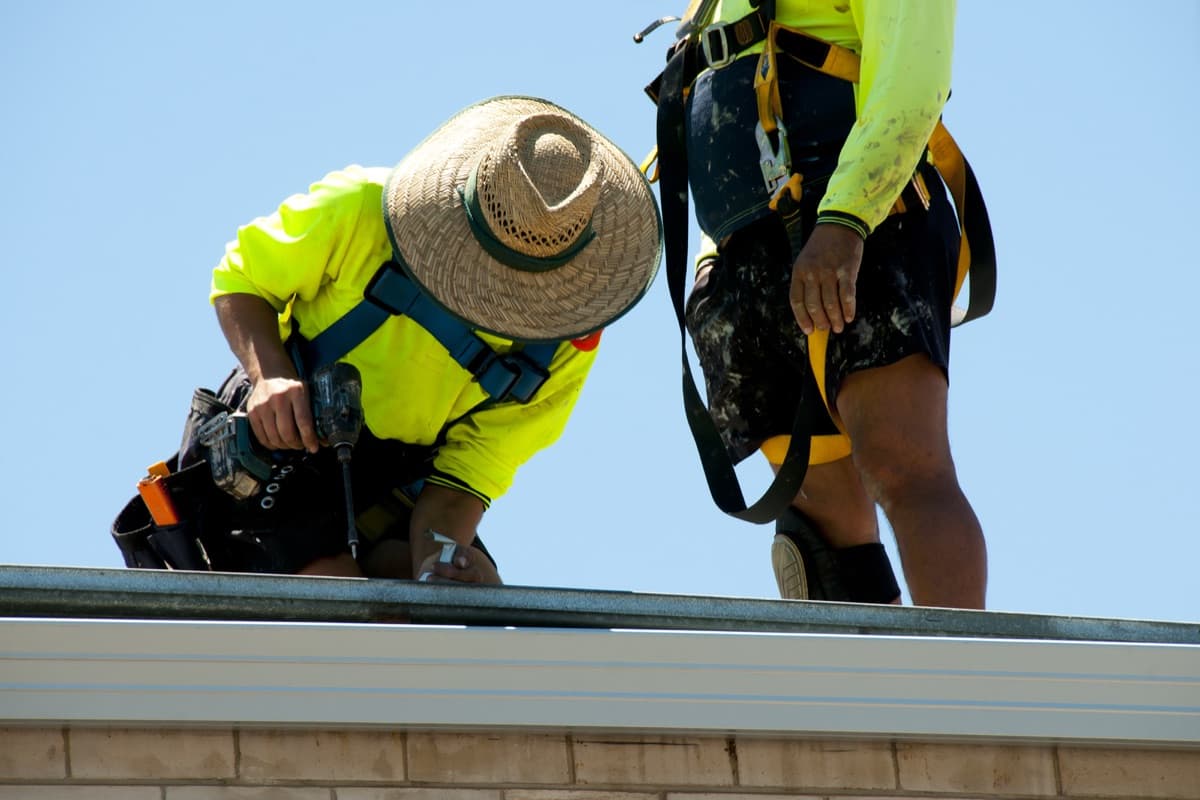
5. Arrange roofing help
Call 0451 456 101 during business hours. I Care Roofing prioritises active leaks and storm damage where possible and can assess temporary weatherproofing, permanent roof repairs, photographs and reporting.
Common Types of Storm Damage
Wind
Wind can displace tiles, lift sheet edges, damage fasteners and move flashing or ridge components. Some movement is difficult to see from the ground.
Hail
Hail can crack tiles, dent metal roofing and damage gutters or coatings. The significance depends on whether the material still performs and whether water entry or coating failure has occurred.
Branch and debris impact
Impact can damage a limited tile area or affect larger roof and structural sections. Do not remove large branches from the roof without a safe plan and the appropriate contractor.
Heavy or wind-driven rain
Heavy rain can expose existing gaps and overwhelm blocked drainage. A stain inside may sit away from the external entry point, so paid roof leak detection may be needed when the cause is unclear.
Temporary and Permanent Work
Temporary weatherproofing
Temporary work may include tarping or limited sealing where conditions and access are safe. Confirm the insurer's instructions where a claim is involved and keep invoices and photographs.
Permanent repairs
Permanent work can include:
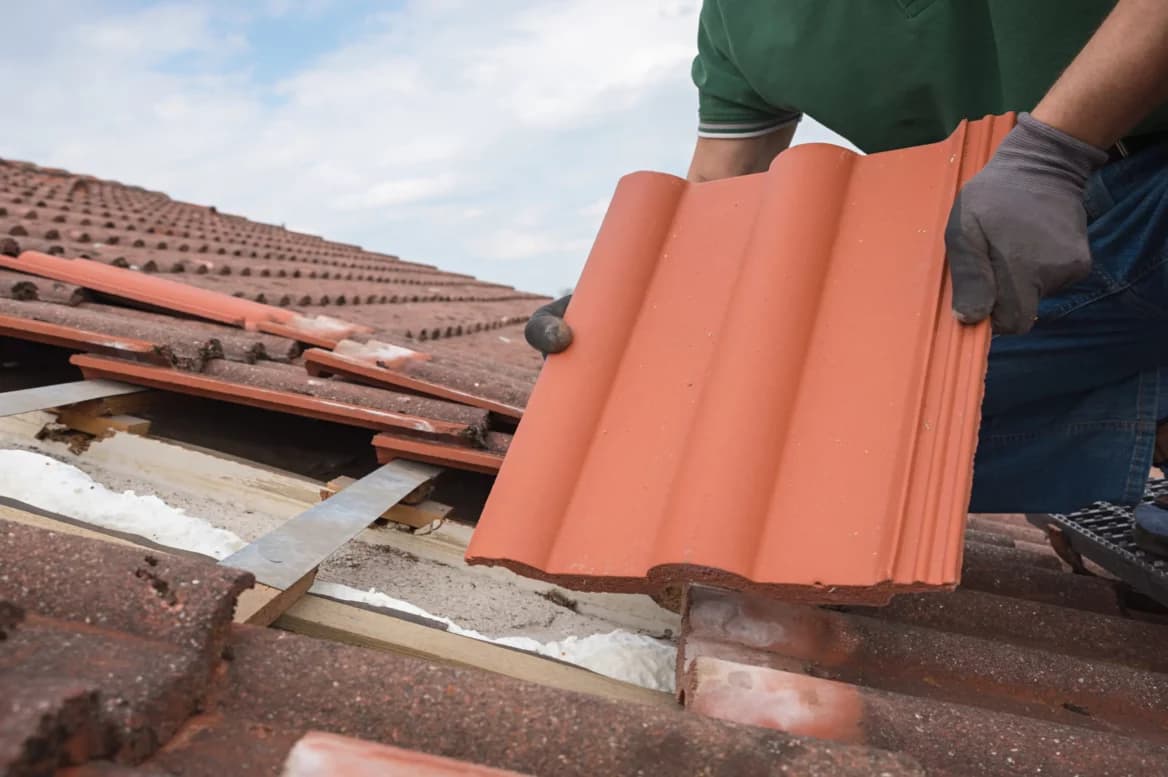
- Tile replacement
- Ridge capping repair
- Valley or flashing work
- Gutter and downpipe repair
- Metal sheet, fastener or seam work
- Repairs around penetrations
The free roofing quote should separate storm-related work, maintenance and any temporary measures already completed.
What an Insurer May Request
Requirements vary, but an insurer may ask for:
- Initial photographs and event details
- A roof inspection or roof report
- An itemised repair quote
- Temporary-work receipts
- Maintenance or previous-work records
I Care Roofing prepares photographic reports accepted by insurers and itemised roofing quotes. Standard reports are normally delivered within 24–48 hours, with priority service available by arrangement.
What Insurance May or May Not Cover
Policies often distinguish sudden insured damage from wear, deterioration, maintenance and pre-existing defects. Storm, impact and internal water damage may be handled differently under each policy.
Do not rely on a general list of inclusions. Read the product disclosure statement and ask the insurer how the actual event, roof condition, excess and proposed repairs will be assessed.
Read the roof insurance claim guide for a fuller process overview.
Prepare Before Severe Weather
- Check visible tiles, sheeting, ridge capping and flashing from the ground
- Keep gutters and downpipes clear according to property conditions
- Use an arborist for branches that threaten the roof
- Keep roof work, inspection and product records together
- Review the insurance policy and claims contact details
See the roof maintenance guide for more ground-level checks.
Request a Storm Damage Assessment
Send safe ground-level photographs, the property suburb and insurer instructions if a claim has started. I Care Roofing can discuss temporary weatherproofing, a paid report and a free quote for permanent roofing work.
Call 0451 456 101 or send a storm-damage enquiry.

I Care Roofing
I Care Roofing Team
Our team has 20+ years of hands-on roofing experience across Sydney.
Contact Us