Tile Roof vs Colorbond: Costs, Pros and Cons
Compare tile and Colorbond roofing by structure, pitch, design, maintenance, acoustics, insulation and the complete installed scope.
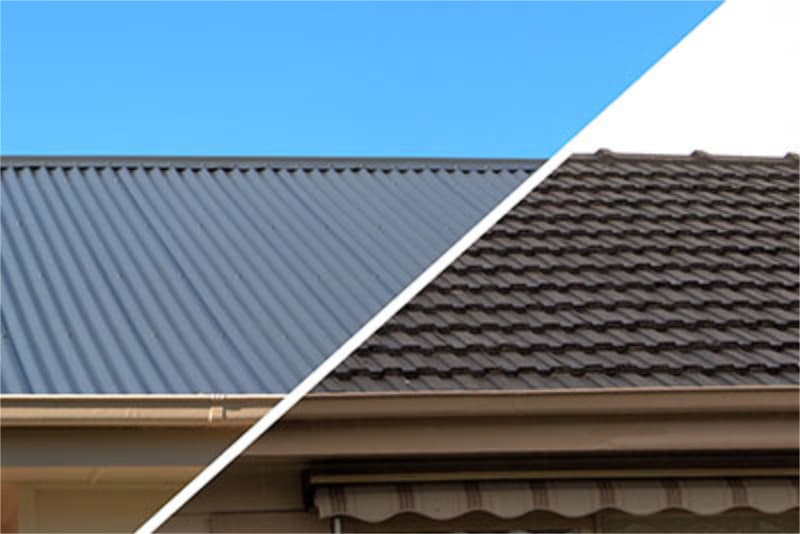
Key Takeaways
- Existing structure, roof pitch and design matter as much as material preference
- Colorbond is lighter than tile and needs a complete flashing and insulation design
- Tile and metal roofs have different acoustic, maintenance and repair characteristics
- Compare the full installed scope rather than material price alone
Tile and Colorbond roofs can both work well on Sydney properties. The better choice depends on the existing structure, roof pitch, design, exposure, insulation, drainage, maintenance expectations and complete installed scope.
This guide compares the practical differences without assuming one material is best for every home.
Quick Comparison
| Factor | Tile roof | Colorbond roof |
|---|---|---|
| Weight | Heavier roof covering | Much lighter roof covering |
| Appearance | Profiled, textured and often traditional | Corrugated or architectural metal profiles |
| Local repairs | Individual tiles can often be replaced | Sheet, fastener, seam or flashing work may be required |
| Ridge work | Bedding and pointing may need maintenance | Metal ridge capping and flashings |
| Surface care | Growth and coating condition vary by tile | Coating, fasteners, cut edges and corrosion matter |
| Rain noise | Material mass can reduce sound | Insulation and roof build-up strongly affect sound |
| Thermal design | Thermal mass affects heat transfer | Insulation, ventilation and colour are important |
| Structural question | Framing must support tile weight | Lighter covering can suit some structures, subject to design |
Tile Roofs
Concrete tiles
Concrete tiles are common across Sydney and come in different profiles. The surface coating, tile condition, bedding, pointing, sarking and flashing can age at different rates.
Terracotta tiles
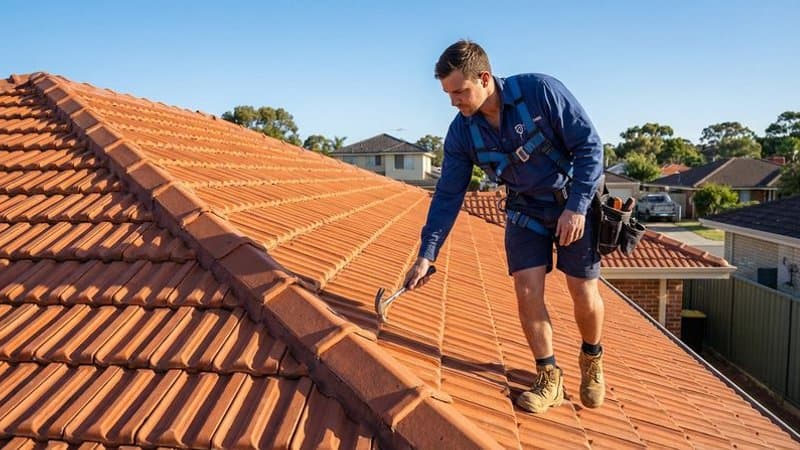
Terracotta tiles are fired clay. They can remain serviceable for a long time, but age, brittleness, previous repairs and the availability of matching profiles affect maintenance decisions.
Advantages of tile
- Individual damaged tiles can often be replaced
- Traditional profiles can suit many established homes
- Tile mass changes acoustic and thermal behaviour
- Concrete and terracotta are non-combustible roof coverings
Considerations with tile
- The roof structure must support the weight
- Tiles can crack under impact or unsuitable foot traffic
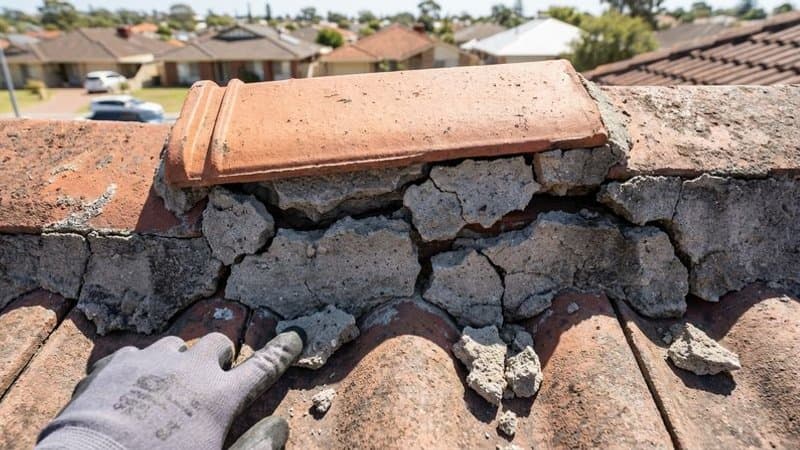
- Ridge bedding and pointing may require maintenance
- Matching old or discontinued profiles can be difficult
- Cleaning and coating methods must suit the specific tile
Colorbond and Other Metal Roofing
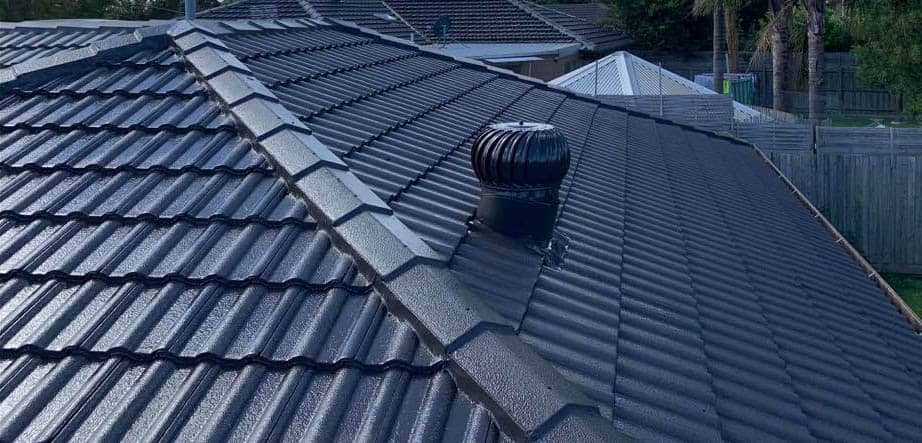
Colorbond is an Australian pre-painted steel product used in corrugated and architectural roof profiles. A metal roof also relies on correct sheet selection, fasteners, flashings, penetrations, underlay, insulation and ventilation.
Advantages of metal roofing
- Much lighter than tile
- Long sheets reduce the number of individual roof units
- No mortar bedding or pointing along metal ridges
- A broad range of profiles and colours is available
- Smooth surfaces can make some debris easier to shed
Considerations with metal roofing
- Cut edges, scratches, fasteners and incompatible metals need attention
- Hail or impact can dent sheets
- Insulation and roof build-up affect heat and rain noise
- Sheet replacement can involve a larger area than one damaged tile
- Coastal and industrial exposure influence product selection and maintenance
Comparing Costs
New-roof and conversion pricing depends on structural design, removal, access, insulation, flashings, drainage, approvals and the selected material. A single per-square-metre figure rarely represents the complete job.
For existing roofs, our restoration price guide is:
| Existing material | I Care Roofing restoration guide |
|---|---|
| Concrete tile | About $4,500 to $10,000+ |
| Terracotta tile | About $5,500 to $12,000+ |
| Colorbond or other metal | About $3,500 to $8,000+ |
These are starting-price guides, not fixed prices. Read the roof restoration cost guide, then arrange a free roof assessment for an accurate I Care Roofing quote.
Maintenance Differences
| Tile roof | Metal roof |
|---|---|
| Replace cracked or displaced tiles | Check fasteners, seams and sheet condition |
| Inspect ridge bedding and pointing | Inspect metal ridge capping and flashings |
| Clean with a tile-appropriate method | Follow coating and manufacturer guidance |
| Check valleys, flashing and sarking | Check corrosion, cut edges and incompatible materials |
Neither material is maintenance-free. Roof shape, exposure, surrounding trees, installation quality and drainage can matter as much as the covering itself.
Which Material Suits the Property?
Tile may suit when...
- The existing structure and design suit a heavier covering
- The home's character relies on a tile profile
- Individual tile replacement is useful for future repairs
- The current tile roof remains serviceable and can be repaired or restored
Colorbond may suit when...
- The design calls for a lightweight roof covering
- Long metal sheets suit the roof form and drainage plan
- The insulation, ventilation and acoustic build-up can be designed properly
- The selected product is appropriate for the property's exposure
Can You Convert from Tile to Colorbond?
A conversion is more than changing the visible material. It can affect battens or purlins, framing, bracing, tie-down, insulation, ventilation, flashings, gutters, approvals and engineering.
Converting from metal to tile adds substantial weight and also needs structural review. Speak with the appropriate designer, engineer, certifier or council about the specific project before relying on a roofing quote alone.
Start with the existing roof
A free roofing quote can assess repair or restoration work. Replacement or conversion may also need design, engineering and approval advice before the final scope can be priced.
Common Questions
Is one material always better in storms?
No. Wind and storm performance depends on design, fixings, installation, condition, roof geometry and maintenance as well as material. Tiles can move or crack; metal sheets and flashings can also lift or suffer impact damage.
Is Colorbond always noisy in rain?
Rain noise depends heavily on insulation, roof build-up, ceiling construction and the intensity of the rain. Compare complete specifications rather than the metal sheet alone.
Can an old tile or metal roof be restored?
Possibly. The roof needs enough serviceable material and structure for repair, preparation and coating to make sense. Widespread structural or material failure can point towards another solution.
Discuss the Existing Roof
I Care Roofing works with tile, Colorbond and other metal roofing across Sydney. We can inspect repair or restoration needs and explain when another design or structural opinion is required.
Call 0451 456 101 or request a free roofing quote.

I Care Roofing
I Care Roofing Team
Our team has 20+ years of hands-on roofing experience across Sydney.
Contact Us